ABOUT US
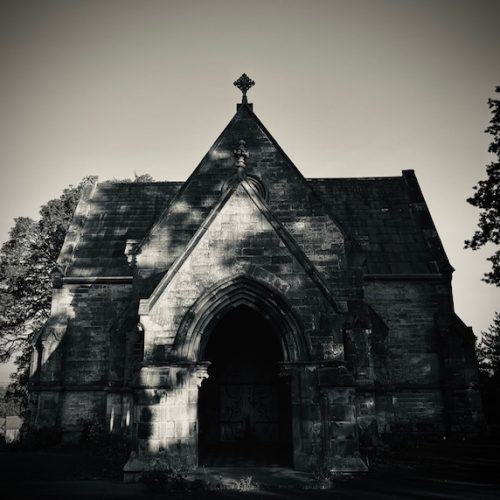
Antei-ji is a Zen Buddhist temple in Lancaster, England. We have been here since 2014, practising zazen and following the Buddha Way together. But we believe that what happens here is part of something much larger than one temple, one tradition or one group of people.
For thousands of years, people in Britain have sought to live in relationship with something greater than themselves. They built monasteries, walked pilgrimage roads, lived as hermits in caves, served the poor, kept vigils, fasted, and sat in silence. The landscape around us still carries the traces of that life.
Lancaster is surrounded by the remains and broken bones of some of the great monasteries and priories of Britain. Old pilgrimage roads have become ordinary roads. Places that were once centres of prayer and spiritual practice have become visitor attractions and monuments to a religious life that has largely disappeared. But we see them as evidence of a spiritual life that once shined so brightly here, and we believe that this religious life of Britain is not finished.
Antei-ji is one small attempt to keep that flame alive.
It would be foolish of us to pretend that Buddhism somehow belongs to an ancient British past. Zen came to us from China and Japan, through a tradition that stretches back more than two thousand years to the Buddha. The Buddha Way has always travelled. It has crossed mountains and languages, always taking on the cultural perfume of the country in which it took root, while remaining true to itself.
We believe that it can fully take root here too. That means asking what is the British perfume that Zen takes hold of here. What does it mean to sit zazen in Lancaster? What does pilgrimage mean in a country where the old pilgrimage roads have largely disappeared? What does a Buddhist temple mean in a culture whose Christian monasteries have become ruins? How might a tradition that has survived for more than two thousand years speak to a country that has become increasingly uncertain about what a spiritual life means? Maybe this temple is a place where the practice of silence is allowed to become alive in the community of Lancaster again.
We don’t pretend to have all the answers, but we have the vision to try.
An Inspiration
There is another strand of local religious history that matters to us: the decision to bring religious life into the heart of the town.
In the thirteenth century, a new kind of religious community began to appear across Britain. The friars were different from the monks who lived within the great enclosed monasteries. They were religious men, committed to prayer and spiritual practice, but their vocation was to live amongst ordinary people.
The Dominicans, known as the Blackfriars, because of their long black robe, were one of the most important of these new orders. Their mission was to preach, teach and serve. They established themselves in towns and cities, going out amongst the people rather than remaining apart from them. They sought to meet the spiritual needs of the communities around them, and to bring religious life into the places where ordinary people actually lived.
For nearly three hundred years, Lancaster had its own Blackfriars.
The Dominican friars established a friary here, roughly where Dalton Square is today. For centuries, religious life was part of the life of Lancaster itself. The friars lived, preached and practised in the town, amongst its people.
Zen is not Christianity and we are not trying to recreate the Blackfriars. But we recognise something in their way of life that speaks to our own understanding of what a temple can be. Serious religious practice does not necessarily mean withdrawing from the world. It can mean entering it more completely.
For us, this is part of what it means to be a Zen temple in Lancaster. We want to discover what happens when a serious Buddhist practice is lived openly in the ordinary world, amongst ordinary people, in the place where we actually live.
The Blackfriars belonged to Lancaster. We belong to Lancaster too.